

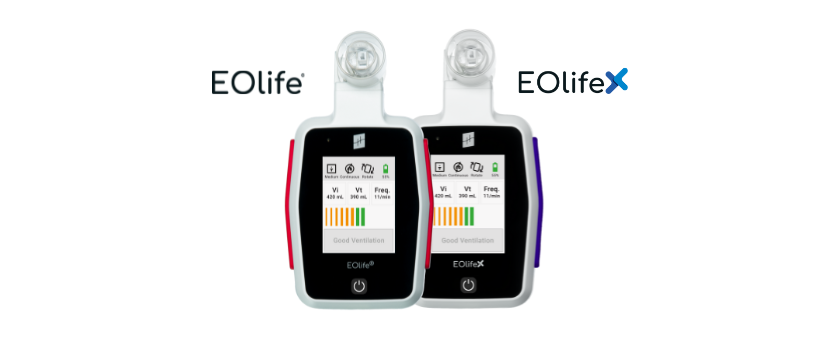
MAY 5th – MICHIGAN. West Shore Community College (WSCC) has officially announced the integration of the EOlife X Ventilation Feedback Device into its EMS and Fire Programs. This strategic move marks a significant shift. It represents a transition toward data-driven clinical education in the state of Michigan.
Bridging the gap in manual ventilation training
Historically, EMS providers have been taught to rely on visual chest rise as the primary indicator of adequate ventilation. However, this approach is inherently subjective and has been shown to correlate poorly with actual delivered tidal volume.
In adult patients, this often results in inconsistent ventilation—either too much or too little—without the provider realizing it. In very young pediatric patients, the consequences can be far more severe. Indeed, achieving visible chest rise may require delivering volumes several times higher than physiologically appropriate. This significantly increases the risk of barotrauma, lung injury, and potentially fatal outcomes.
Thus, under the leadership of Dan Yost, Director of EMS and Fire Programs, WSCC is addressing this long-standing challenge head-on. The college is eliminating the subjectivity of traditional methods.
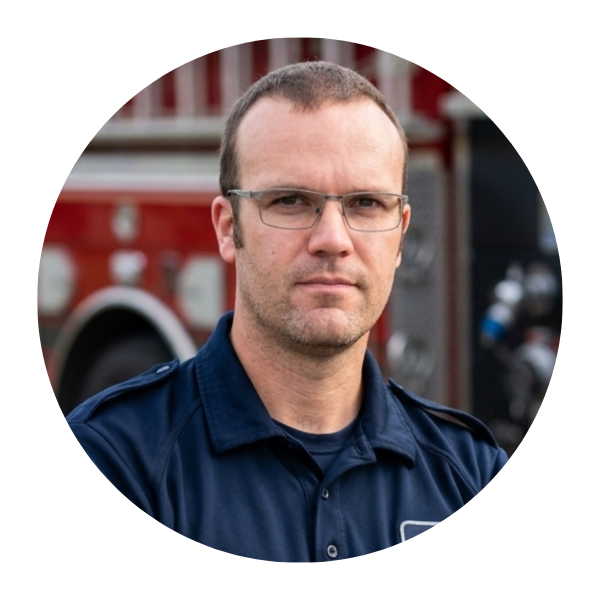
“We are always looking for ways to elevate the quality of our training,” says Yost. “EOlife stood out because it provides real-time, objective feedback on ventilation performance—something that has traditionally been difficult to measure and teach effectively”
– Dan Yost, Director of EMS and Fire Programs, WSCC
The power of “visualized ventilation”
By making EOlife X a standard component of their airway and resuscitation labs, WSCC allows students to visualize their performance immediately. This concept of “visualized ventilation” ensures that students can identify and correct critical errors. For example, students may address errors such as hyperventilation or insufficient volume in a controlled, simulated environment.
“It shifted the conversation from ‘this looks good’ to ‘this is what good actually looks like,’ which is a powerful change in both teaching and learning.” – Dan Yost
Leading the future of Michigan paramedicine
This integration positions West Shore Community College at the forefront of paramedicine training in Michigan. By adopting evidence-based tools, WSCC ensures its graduates are prepared to meet the highest standards of real-world patient care and clinical excellence.
“If your goal is to improve the quality and consistency of ventilation, EOlife is a valuable tool,” Yost concludes. “It makes the invisible aspects of ventilation visible.”
Find out more